Dry-Cast vs. Wet-Cast Concrete: What's the Difference?
Concrete is the foundation of modern construction. From highways and bridges to schools, hospitals, commercial developments, and homes, it’s difficult to imagine our built environment without it. In fact, the U.S. cement and concrete industry contributes approximately $159 billion annually to the nation’s economy while supporting more than half a million jobs.
Yet not all concrete is manufactured the same. Two of the most common production methods – dry-cast and wet-cast – produce durable concrete products, but each is designed for different applications. Understanding those differences can help architects, engineers, contractors, and owners select the right material for the job.

What Is Dry-Cast Concrete?
Dry-cast concrete uses a very low water-to-cement ratio, creating a stiff mix that holds its shape almost immediately after being placed into a mold – like wet sand. The concrete is compacted using vibration and pressure to create dense, uniform components.
Because the mix contains very little excess water, dry-cast products can often be removed from their molds immediately, allowing for efficient manufacturing and consistent production.
Dry-cast is commonly used for products such as:
- Modular wall panels
- Retaining wall blocks
- Concrete pipe
- Pavers
- Utility products

What Is Wet-Cast Concrete?
Wet-cast concrete contains considerably more water, creating a fluid mix that flows easily into complex molds.
This process is ideal for products with intricate shapes, deep textures, or heavy reinforcing that require the concrete to surround embedded components.
Because the concrete must cure before it can be removed from the mold, wet-cast production generally requires longer manufacturing cycles.
How the Manufacturing Process Affects Performance
The biggest difference isn’t simply how the concrete is made, it’s what the manufacturing process is designed to accomplish.
Dry-cast concrete produces dense, dimensionally consistent components that are well suited for modular systems requiring repeatable tolerances and efficient installation.
Wet-cast excels when a project calls for highly detailed finishes, complex geometries, or heavily reinforced structural elements.
Neither process is inherently superior. Each is optimized for different applications.

Why Dry-Cast Is Ideal for Modular Wall Systems
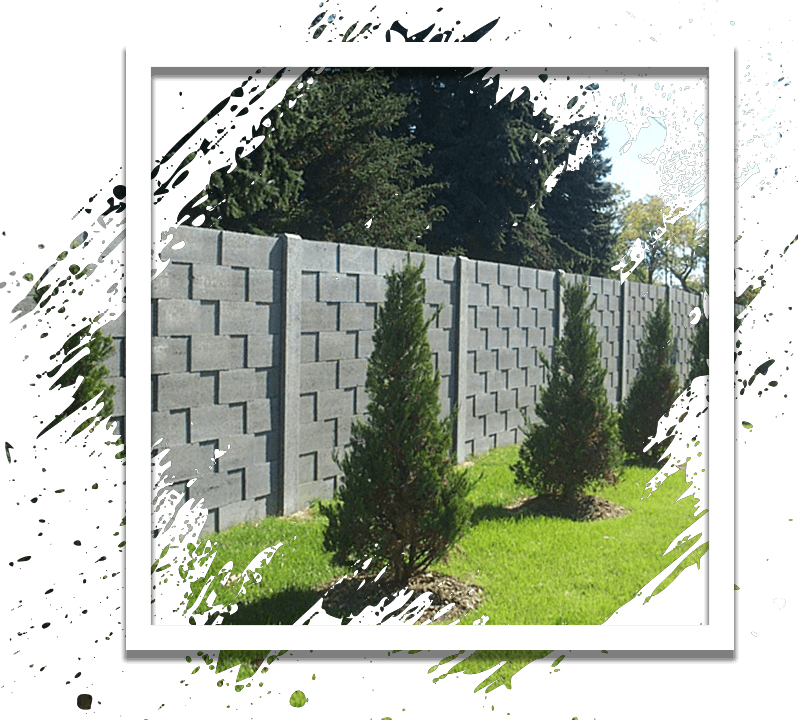
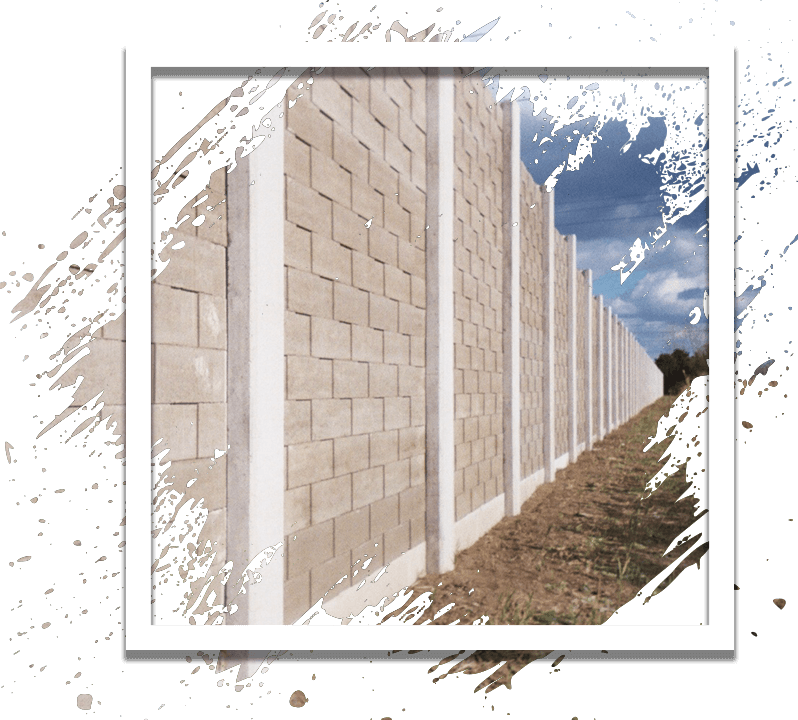
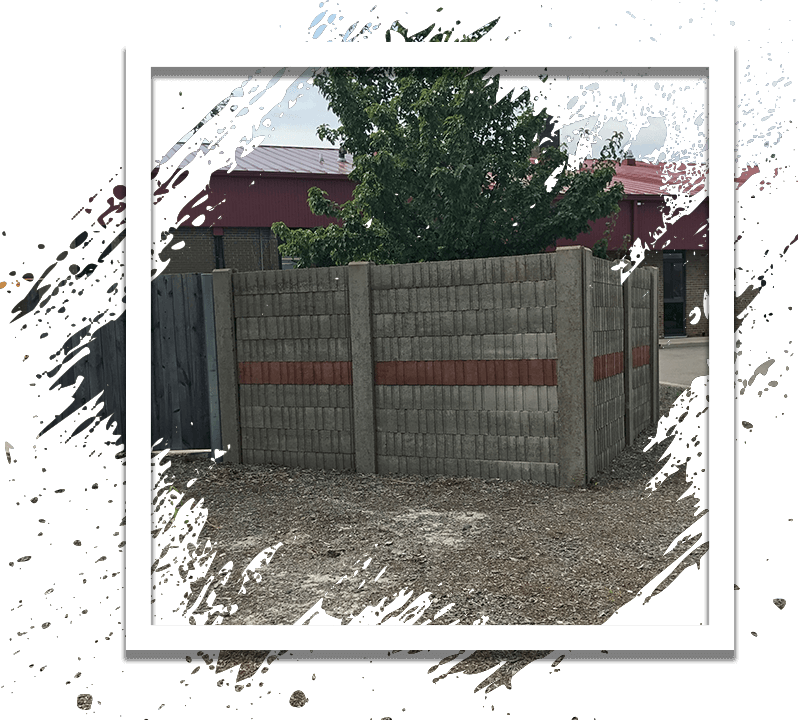
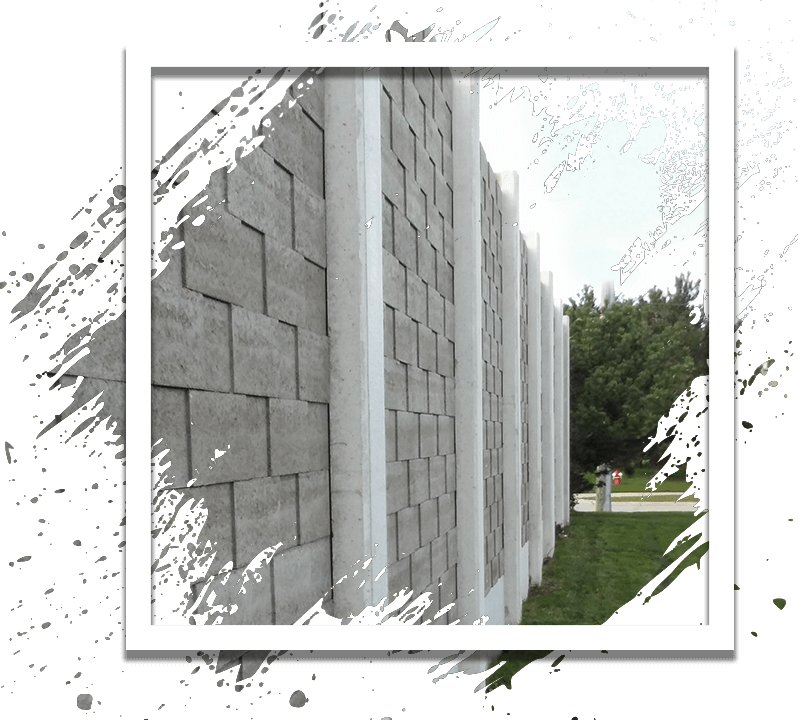
For precast modular screen walls, dumpster enclosures, and perimeter security applications, dry-cast offers several practical advantages.
The dense concrete and controlled manufacturing process produces components with consistent dimensions, helping wall panels fit together accurately in the field. Because products are manufactured efficiently, they can also support faster production, lower costs, and shorter installation schedules.
For owners and contractors, this means a wall system that combines durability, repeatability, and construction efficiency.

Choosing the Right Concrete for the Job
The best concrete isn’t determined by whether it’s dry-cast or wet-cast – it’s determined by whether the manufacturing process matches the application’s requirements.
If a project requires complex architectural shapes or complex rebar structures, wet-cast may be the right choice.
If the goal is a durable, modular wall system that installs quickly and performs for decades, dry-cast concrete offers a compelling solution.
Understanding the differences between dry-cast and wet-cast concrete allows design professionals and construction teams to make more informed material selections. For modular wall and enclosure systems, the manufacturing process matters. Dry-cast concrete provides the consistency, durability, and efficiency needed to create solutions that perform reliably for decades.
Connect today for pricing on your next enclosure or wall application at info@duracretewalls.com.