Beyond Cybersecurity: Why Executives Must Prioritize Perimeter Security

The Rising Stakes of Physical Security
In an era where digital resilience dominates headlines, physical resilience often lags behind. Yet the two are inseparable. Data centers, distribution hubs, and commercial campuses increasingly find themselves on the front line of physical incursions from vehicular threats to coordinated theft and sabotage.
The 2024 Uptime Institute report noted that 31 percent of data center operators experienced a physical security incident in the past two years, rising in parallel with cyberattacks (Uptime Institute, 2024). The Security Industry Association has echoed this concern, warning that critical facilities are “soft targets” if perimeter defense is not prioritized (SIA, 2023). Boards and executives now routinely ask: How do we harden the outside before a threat ever reaches the inside?

Why Concrete Perimeter Walls Are Moving to the Top of the Agenda
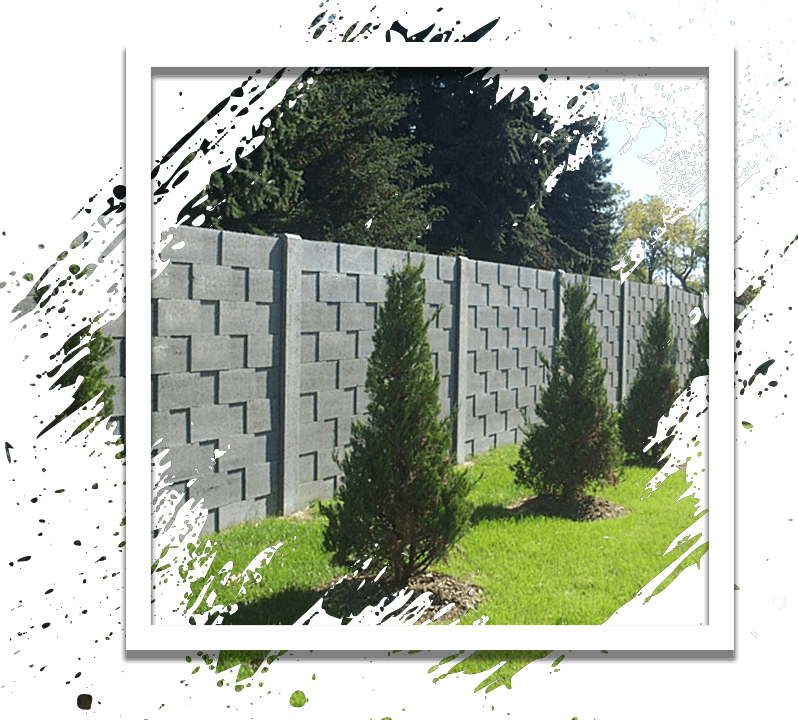
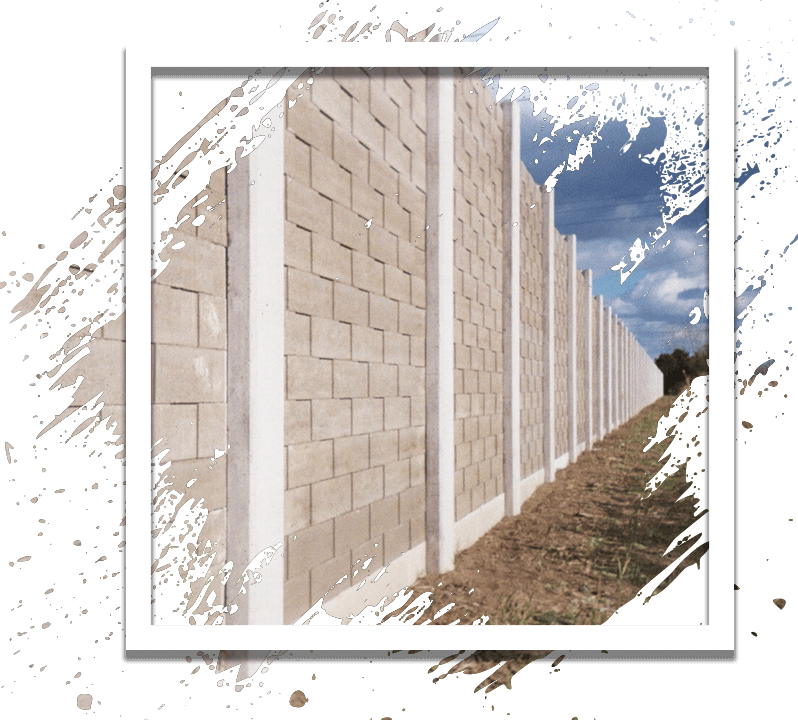
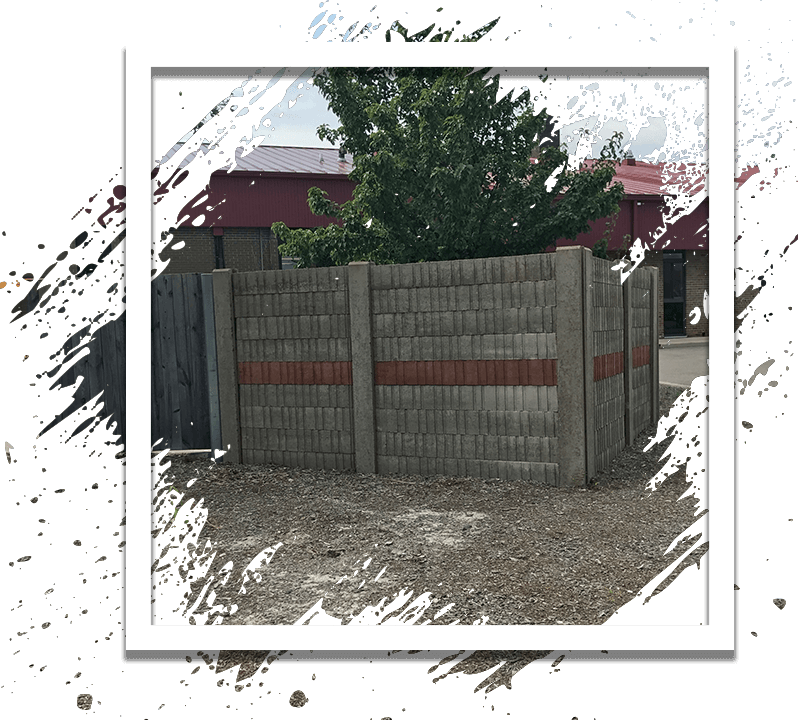
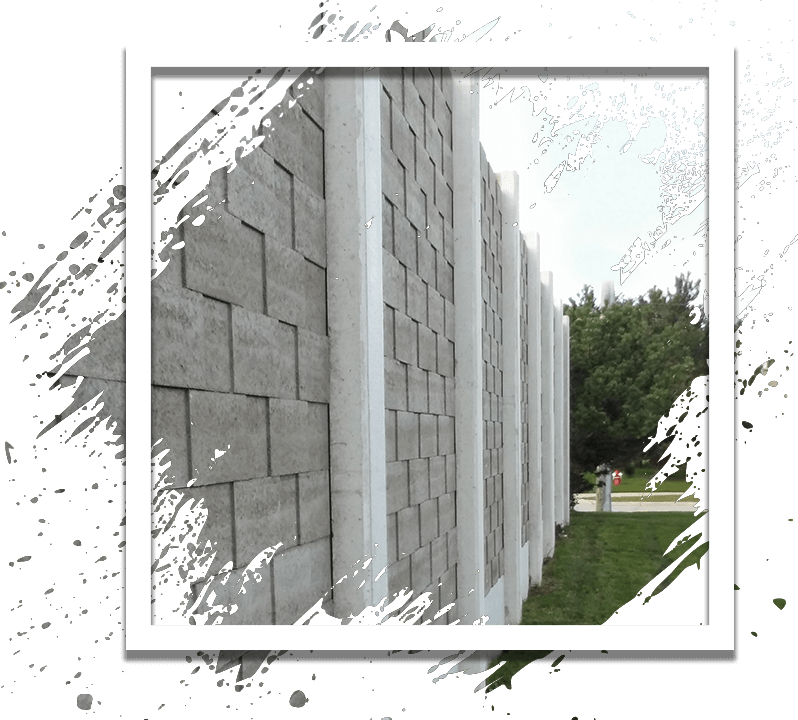
While electronic measures such as surveillance, biometrics, and AI-driven monitoring are indispensable, they are reactive by design. In contrast, precast perimeter walls shift the risk equation from reactive to preventive, stopping incursions before they begin.
Recent incidents illustrate the point. In Virginia, a suspected ramming attempt on a data facility was foiled only because the intruder’s vehicle was obstructed by reinforced barriers (NBC Washington, 2023). In Europe, data centers supporting financial transactions have faced organized protests that escalated to attempted site breaches (European Data Centre Association, 2024). Across geographies, the common thread is clear: perimeter walls are no longer aesthetic; they are operational shields that deter attacks and delay unwanted intrusion.
The Executive Perspective: Resilience as Reputation
For CEOs and CISOs, physical security failures are more than incidents; they are reputational crises. A single breach, successful or not, can trigger regulatory inquiries, customer doubts, and insurance liabilities. As McKinsey & Company observed in their 2024 report on resilience, Investors are increasingly scrutinizing how companies safeguard not just data, but the physical infrastructures that house it.
For boards, perimeter protection is now viewed through the same lens as cybersecurity spend: a core line item in enterprise risk management. In this context, investing in fortified wall systems becomes a fiduciary responsibility, not a discretionary choice.

Looking Ahead: The Future of Perimeter Security
Perimeter security is set to evolve along three axes.
- Integration: Walls will increasingly be embedded with sensor technology, transforming them into intelligent barriers that detect vibration, intrusion attempts, and vehicle impact in real time.
- Global Standards: With the EU tightening physical resilience requirements under the NIS2 Directive and Asia Pacific hyperscale operators expanding rapidly, uniform expectations for hard perimeters will emerge.
- Sustainability and Design: Stakeholders are demanding solutions that blend high security function with low carbon production and architectural flexibility, ensuring that walls enhance rather than detract from corporate campuses.

A Trusted Partner in Prevention
At Dura-Crete, we believe the strongest defense begins before the first alarm sounds. Our precast perimeter wall systems are engineered to provide structural strength, long-term performance, and design adaptability, accommodating a wide range of additive security measures, to protect facilities while aligning with modern architectural standards.
As attacks become more sophisticated and regulators more vigilant, the organizations that lead will be those who treat physical security as a strategic differentiator, not an afterthought. In today’s landscape, the walls around your facility are more than barriers; they are the first line of trust.
Talk to a design and security expert at Dura-Crete Walls to discuss your strategic physical security needs by emailing us at info@duracretewalls.com