Designing for Sound Control: The Role of Precast Walls in Exterior Applications
As commercial and institutional development expands into denser urban and suburban environments, managing exterior noise has become a critical design consideration. Facilities such as multifamily communities, manufacturing facilities, logistics hubs, data centers, and medical campuses are increasingly required to address sound generated at the site perimeter, both to protect occupants and to limit disruption to surrounding neighborhoods.
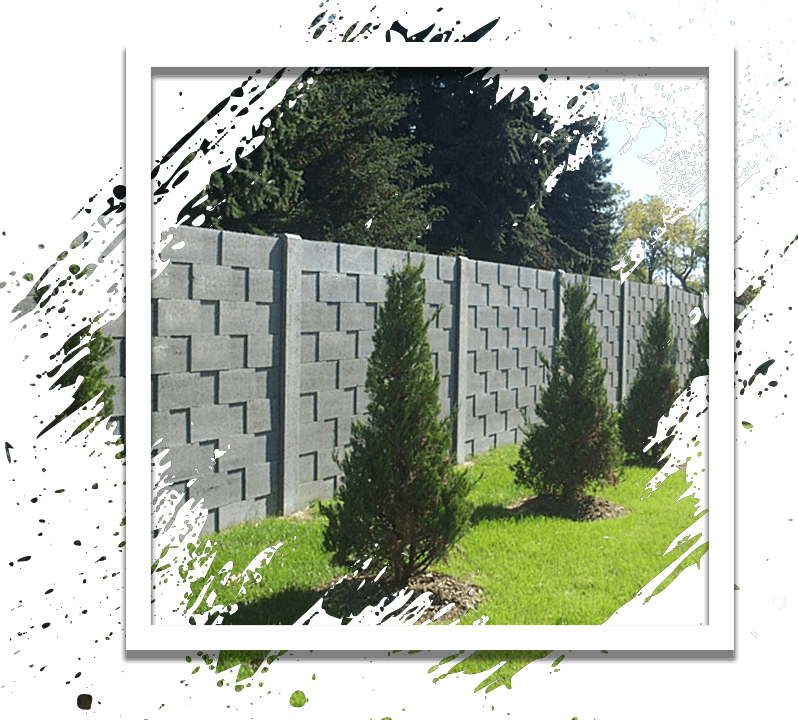
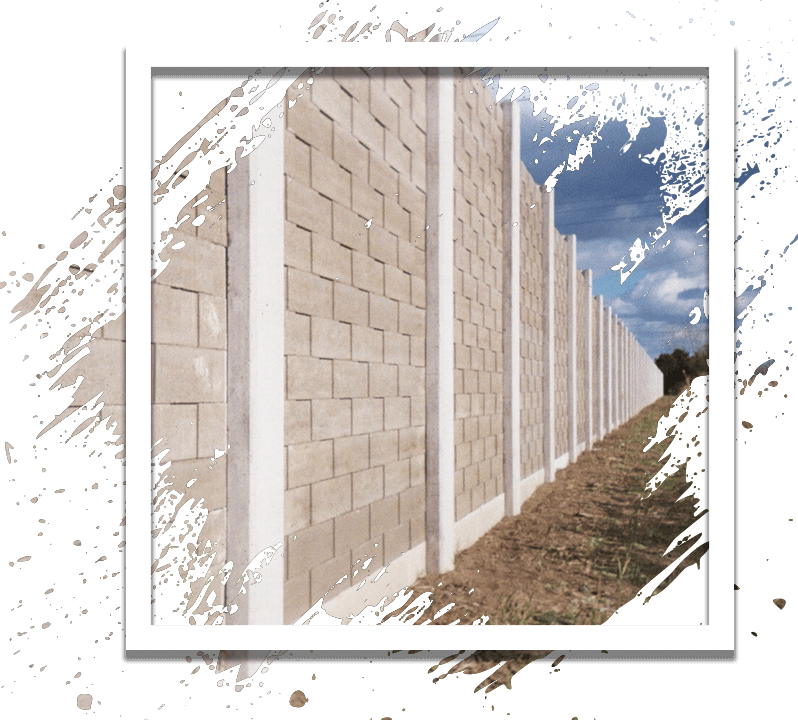
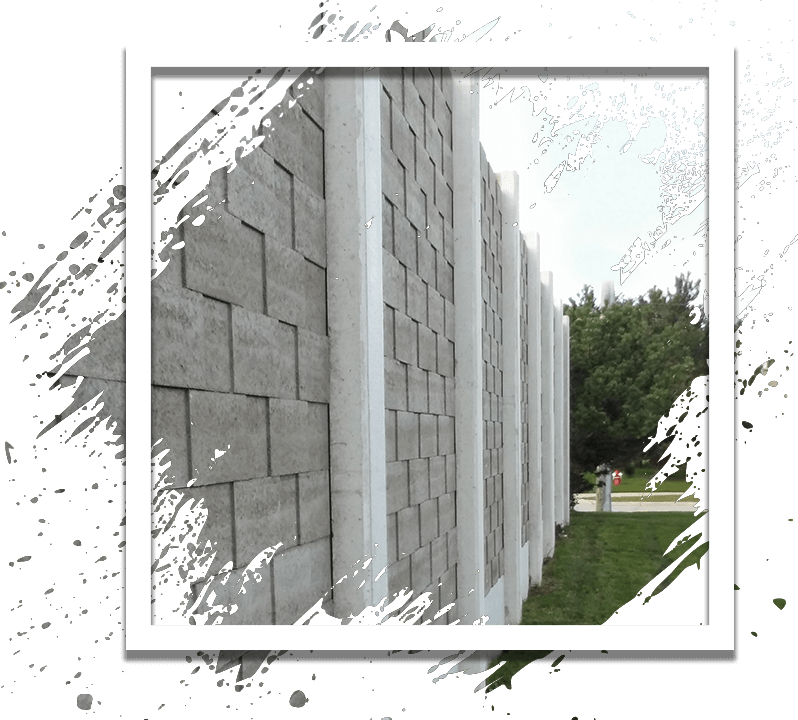
Precast concrete wall systems play an important dual role in these settings, serving as durable perimeter security barriers while also providing predictable and measurable acoustic performance.
The Growing Need for Exterior Noise Mitigation
Exterior noise sources – including traffic corridors, loading docks, generators, HVAC systems, and other mechanical equipment – can significantly affect comfort, regulatory compliance, and community relations. In many cases, standard fencing or lightweight screening offers visual separation or security but lacks the mass required to effectively block or deflect sound.
As noise ordinances become more stringent and community expectations rise, designers are turning to exterior wall systems that can function as both secure enclosures and sound-control elements.

Precast Walls for Perimeter Security and Equipment Enclosures
Precast concrete walls are well suited for exterior applications where security, durability, and acoustic performance must work together. Common uses include:
- Perimeter walls along roadways or adjacent properties
- Enclosures around loud mechanical or electrical equipment
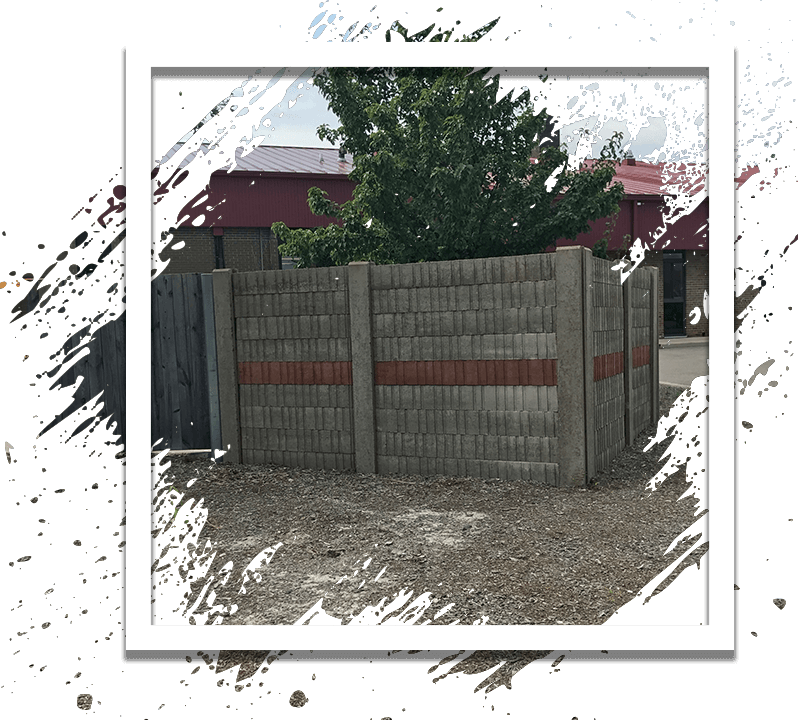
- Screening for generators, chillers, battery storage, and HVAC yards
- Security barriers for logistics facilities or utility infrastructure
In these applications, the inherent mass and continuity of precast panels provide a level of sound attenuation that traditional fencing systems cannot achieve, while also offering long-term resistance to impact, weather, and tampering.

Understanding STC Ratings and Acoustic Performance
A key metric for evaluating the effectiveness of exterior sound barriers is the Sound Transmission Class (STC) rating. STC measures how well a material or wall assembly reduces airborne noise; higher numbers indicate greater sound reduction. For perimeter and enclosure applications, STC ratings help designers predict how effectively a wall will limit noise transmission beyond the site boundary.
Dura-Crete Walls’ precast concrete systems achieve STC ratings in the 41–44 range, placing them well above typical fencing or lightweight barrier solutions and within a range recognized for meaningful noise mitigation in exterior environments. An STC rating of 41–44 can significantly reduce common exterior noise disturbances.

Predictable Performance in Real-World Conditions
For architects and engineers, one of the key advantages of precast concrete walls is performance reliability and overall affordability for clients. Unlike lighter systems that may vary based on installation quality or materials, precast walls deliver consistent acoustic results that align closely with design assumptions. Additionally, a modular slat wall system, like Dura-Crete Walls, which utilizes plated steel posts speed up installation and can significantly reduce costs.
When sound control is a critical part of site planning – whether to protect sensitive uses or to minimize off-site disruption – Dura-Crete Walls provides confidence that exterior noise mitigation and perimeter security goals will be met simultaneously.