Out of Sight Out of Mind: Why Privacy is the Strongest Perimeter Defense
When it comes to securing high-value facilities, the conversation often centers on strength, height, and deterrence features – barbed wire, razor ribbon, anti-climb designs. While these elements certainly play a role, they overlook one of the most critical components of effective perimeter security: visibility.
The reality is simple; attackers rarely act blindly. Whether the threat is theft, vandalism, or a more coordinated intrusion, most bad actors rely on observation and planning. They study their target, identify weaknesses, locate access points, and assess response times. In this context, any perimeter system that allows clear visibility into a site is not just a boundary – it’s a source of intelligence for the attacker.

The Hidden Vulnerability of “See-Through” Fencing
Traditional fencing systems such as chain link, wire mesh, palisade, and ornamental are widely used for perimeter demarcation. They are relatively easy to install and can be enhanced with visual deterrents like barbed wire, razor wire, or spear-topped pickets.
However, these systems share a fundamental flaw: they allow unrestricted visual access. Through these fences, an observer can easily:
- Identify entry and exit points
- Locate valuable equipment or materials
- Monitor employee patterns and shift changes
- Evaluate surveillance coverage and blind spots
In essence, transparent fencing provides a clear line of sight for reconnaissance – arguably the most critical phase of any attempted breach.

Privacy as a Security Multiplier
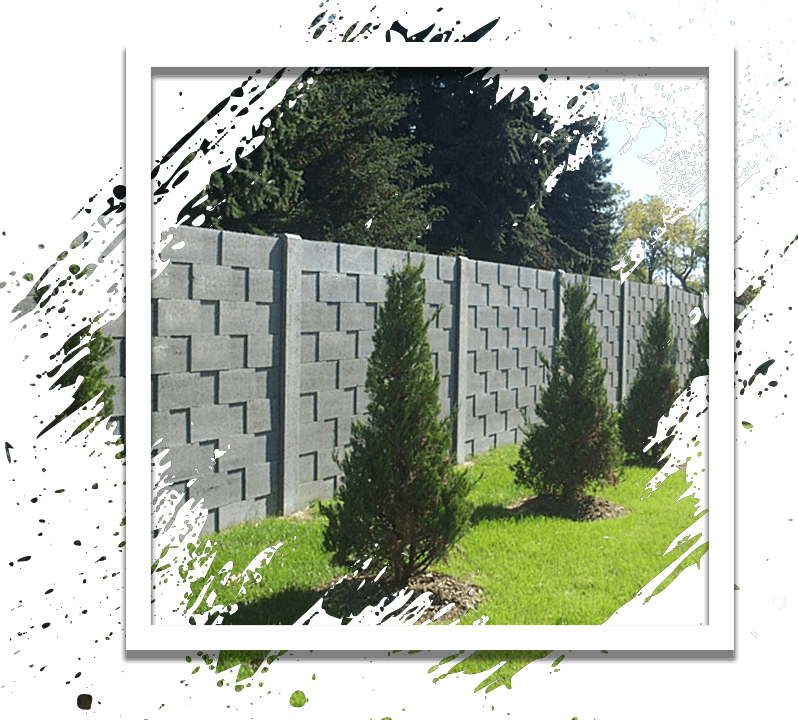
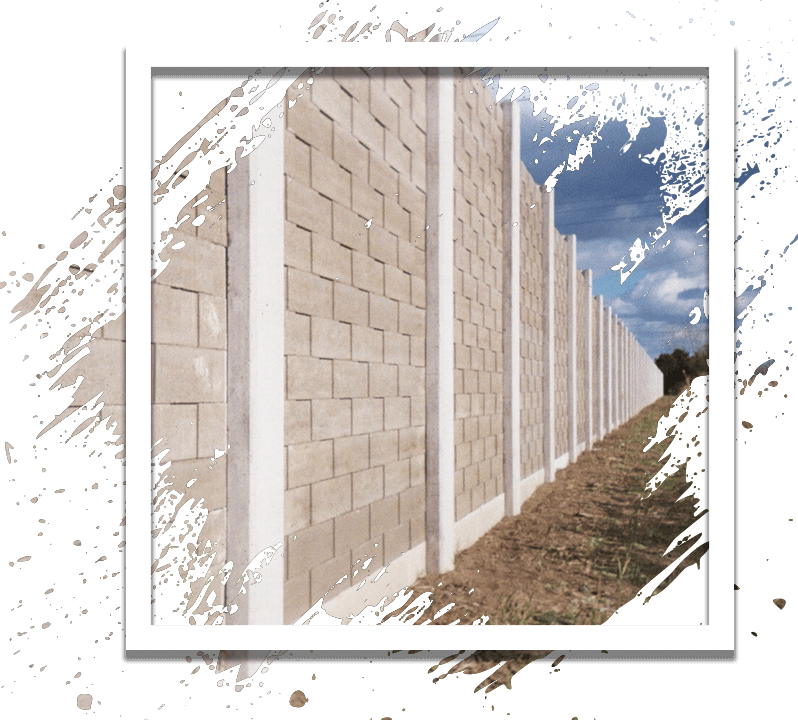
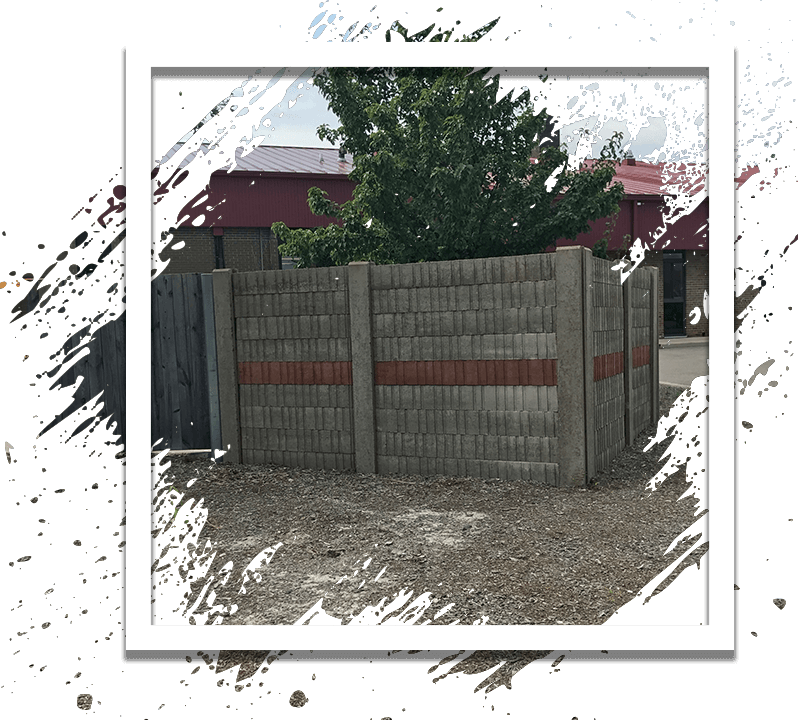
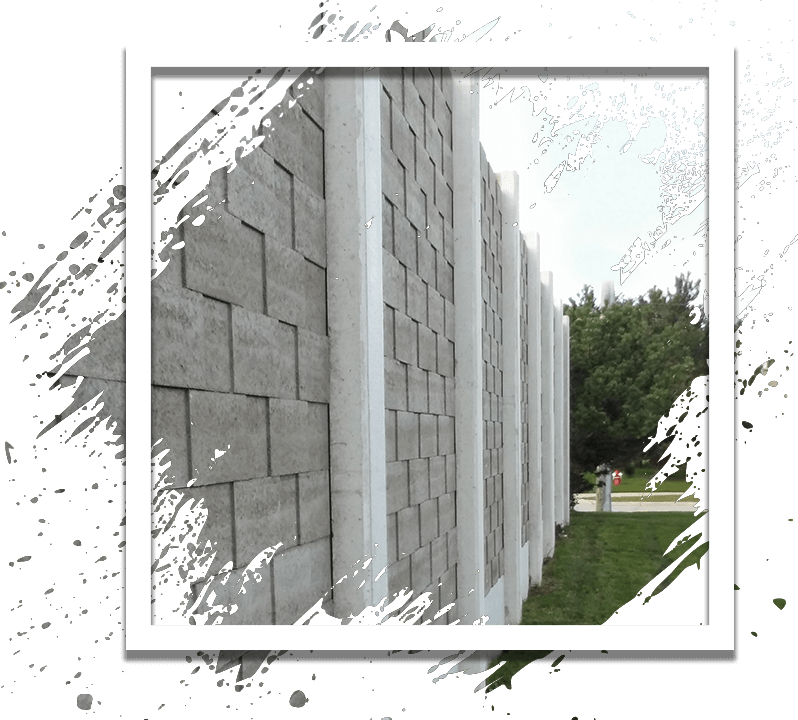
A secure perimeter should do more than define a boundary – it should deny information. This is where solid perimeter walls, particularly precast concrete systems, dramatically outperform traditional fencing.
By completely blocking visibility, concrete walls eliminate an attacker’s ability to gather actionable intelligence from outside the site. Without knowing what lies beyond the barrier, potential intruders face increased uncertainty, risk, and effort.
And in most cases, that’s enough to shift their attention elsewhere.
Deterrence Through Uncertainty
Beyond visual obstruction, concrete perimeter walls deliver superior physical security:
- Cut and climb resistance far beyond typical fencing materials
- Structural integrity capable of withstanding significant force
- Height scalability, often reaching 20–30 feet or more
- Integrated security features, such as tech pole integration, access points, and acoustic buffering
These attributes make concrete walls not only a passive barrier, but a formidable line of defense.

A Shift in Security Thinking
For high-security environments—data centers, utility infrastructure, logistics hubs, and sensitive government or industrial sites—visibility should be treated as a liability, not a convenience.
The most effective perimeter is one that never gives an advantage away. While traditional fencing has its place in lower-risk applications, it falls short in environments where the consequences of intrusion are high.
Precast concrete wall systems deliver total visual obstruction paired with unmatched strength and durability. For organizations that can’t afford uncertainty, Dura-Crete Walls’ provide a clear standard: eliminate visibility, eliminate vulnerability.